2025 in books
After a bad year of reading in 2024, I got back on track in 2025. I read 57 books last year, and I’m happy to say I enjoyed most of them!
Overview
My average rating was 3.73 (on a scale from 0.5 to 5). This can mean roughly two things: either I’m decently good at choosing books I’d like, or I’m not that picky; I’d like to think it’s the former. This is of course also skewed by the fact that if I don’t like a book I’ll just stop reading it and won’t log it as “read”.
I don’t really think quantity is interesting in and of itself in reading, but it at least gives an idea of reading as a habit for me. My 57 books this year amounted to 17259 pages, which is about 50 pages a day. This sounds about right: I’ll do some reading most days, either on public transport or in bed, with bursts of reading a lot when I have some time off or when I’m really engrossed in a book. This is actually about the same amount of pages as in 2022 and 2023, and I don’t have a goal of reading much more than this in a year, as I think this strikes a decent balance of setting aside time for reading while still also having sufficient time for other things in my life. I mostly read books on paper (or on my ereader); the only way I can see myself reading much more is if I add audiobooks to my rotation more, but I tend to find them much harder to follow.
Books
I won’t cover every single book I read this year, and will instead focus on those I’d consider my highlights chronologically. I’ve always considered myself a fantasy reader first and foremost, but this year I spent more time on classics and literary fiction, and most of my best reads this year ended up falling under those labels too. What we think we like and what we actually like are rarely the same things.
Gödel, Escher, Bach: An Eternal Golden Braid by Douglas R. Hofstadter
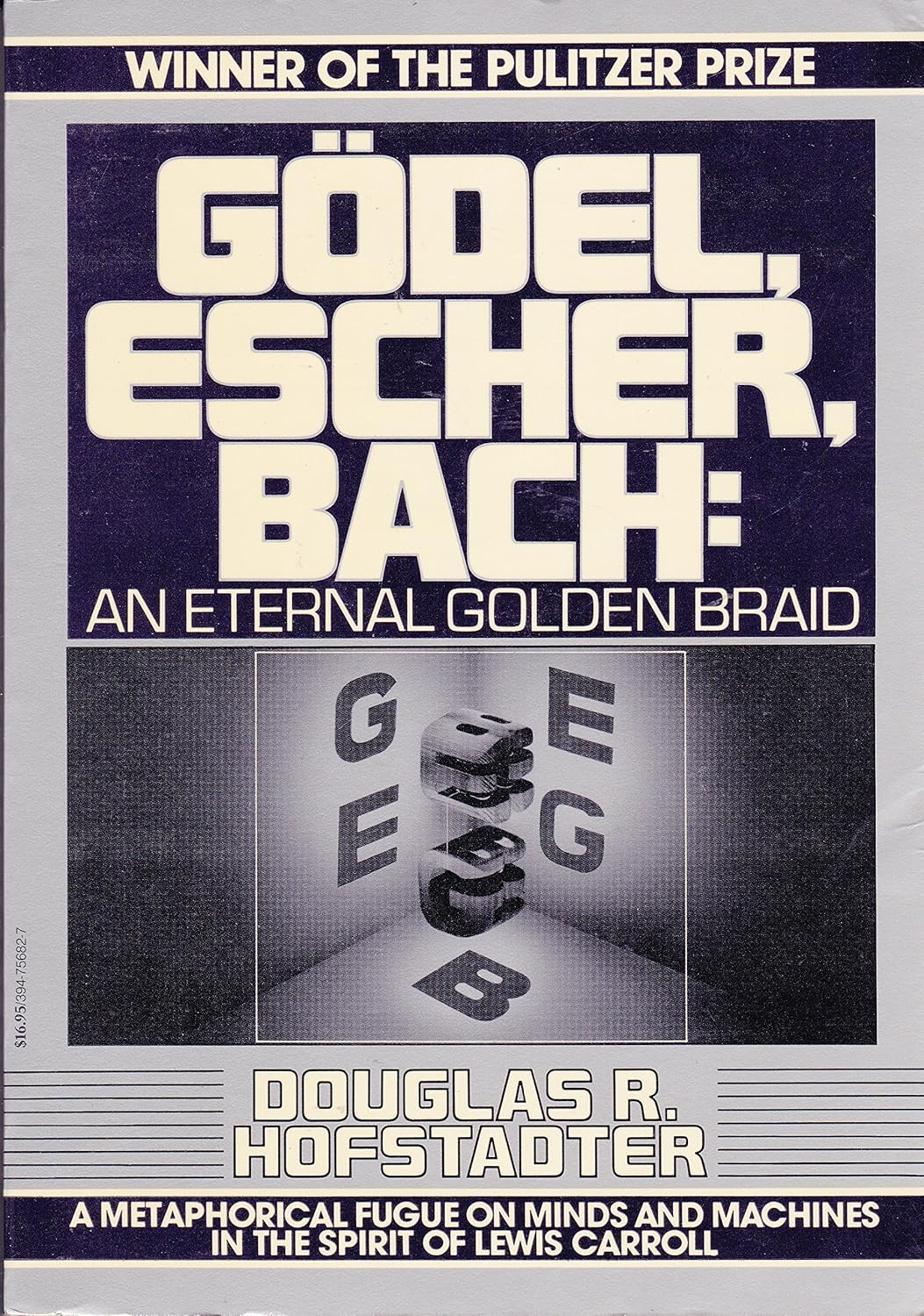
Read from 2024-10-07 to 2025-01-01
I technically read most of this in the tail-end of 2024, but I only finished it in 2025, so I’ll count it here.
This book has something of a mythological status in tech/IT/programming spaces: for being difficult, for being mind-blowing, for being essential. I honestly thought it was just ok. I’m glad I worked through it, and more than anything I found it to be a fun book to read, but I don’t think it particularly impacted my thinking. The core argument gets pretty muddled in the amount of examples Hofstadter insists on giving, and I remember finding the second half more dull than the first (when it stops being about building a basic mathematical system and starts being about what the book actually wants to talk about). The maths puzzles are fun, though not too mind-blowing if you have a lot of experience with computers and particularly compilers and/or formal systems. The core argument itself—that consciousness is an emergent property of self-reference—doesn’t actually get convincingly made here; the book mostly alludes to it by way of analogy. Surprisingly unrigorous for a book that purports to have a mathematical foundation, I think.
I might sometime read I Am a Strange Loop, the follow-up that tries to actually make the same argument (but convincingly), but I don’t know when.
(This book gets extra significance due to me picking it up at a used book store in Tokyo; it was one of the only English-language books they had!)
Crime and Punishment by Fyodor Dostoevsky (tr. Constance Garnett)
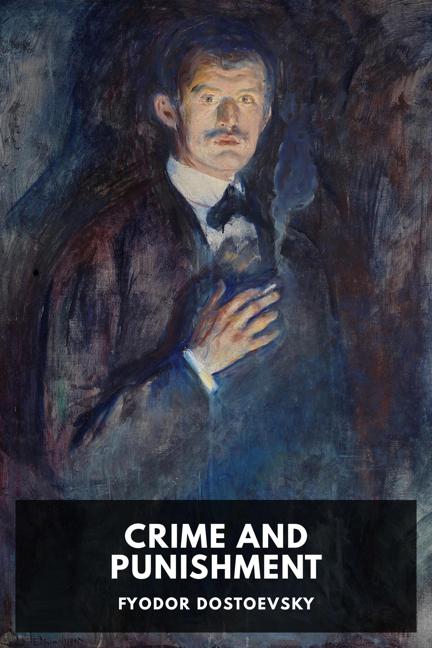
Read from 2025-01-10 to 2025-01-18
This was my first book by Dostoevsky, and I really liked it. This is a heavy book for sure, but I found it quite absorbing, and ended up reading it in about a week. Despite its reputation as a Big Book only to be read by Very Smart People, it has all the makings of an amazing thriller, and I think it’s definitely worth giving a shot even though it sounds boring and stuffy! It doesn’t stay in this mode for much of the book, but the sequence at the end of Part I—when Raskolnikov kills the pawnbroker and somehow has to escape—is some of the best thriller writing I’ve ever read.
Beyond that the depiction of anxiety given is incredible. Raskolnikov’s anxiety and paranoia after the murder is real, it is in his bones, it destroys his mind. What if there was blood on his sock? He can’t be sure, now; how can he be sure of anything? When one’s own lived experience can no longer be trusted it is impossible to think. Some of the absolute best writing on the subject I have ever read in any book, and experiencing this kind of connection with an author writing in the 1800s is a gift.
There are two things usually brought up by people discussing Dostoevsky: his gift at writing human psychology, and his philosophy. With all that said, I don’t actually find the philosophy presented very compelling. He was writing against a certain kind of nihilism, and while I’m not even close to an expert on Russian nihilism in the 1800s, the depiction here seemed flat, as if Dostoevsky was more interested in discrediting it than in taking it seriously. Alas I’m still not religious after reading this book.
There is a lot of the stuff I moreso didn’t love in this book, but despite that I consider this one of my favourite reads this year, because the parts I did connect with I did so very strongly.
Frankenstein by Mary Shelley (1831 edition)
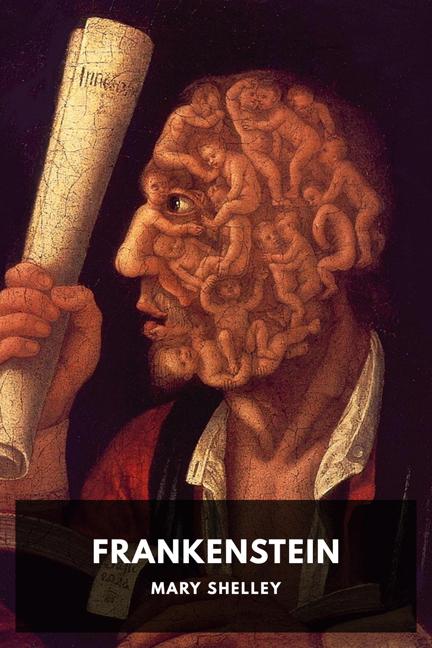
Read from 2025-03-01 to 2025-03-04
I finally read Frankenstein this year, and loved it! It’s a surprisingly rich text, one that can be read in many different ways depending on the lens through which you view it. In public consciousness—as it turns out, moulded moreso by adaptations that came after than the text itself—it is mostly a moralist warning against playing God and rapid scientific progress, but upon reading it it turned out to be much more than that. While it is about creation, it’s also about alienation, marginalisation, and punishment.
The narrative is deeply nested, reminiscent of Wuthering Heights (maybe a gothic thing? not sure!), and as the narrative delves deeper more and more depth is uncovered, ending with the story of the Monster. In the collective consciousness, Frankenstein’s monster is a monster capable of violence but not of thought: after reading this book I find this an almost violent reduction of what the text is really about! The Monster resorts to violence, but it isn’t because it’s all he knows: it’s because he is left with no other choice after being abandoned and alienated; he isn’t born a monster, he is turned into one by the world he was born into. He observes humans and feels so much love and empathy: he learns of our language, of our familial bonds, and he wants to be part of it too. In the end he is a deeply human character, and a core theme of the novel becomes that the distinction between human and inhuman is not one of nature but one that we construct. (It’s a simple fact that so many humans continue to be dehumanised today.)
There’s more I could say: a feminist reading is almost obvious, so is a queer one. There is a recurring motif of retributive justice as only bringing our characters deeper into despair. I hope to find the time to read more analyses of the book and also to go through the (less self-censored?) 1818 edition sometime.
The Locked Tomb series by Tamsyn Muir
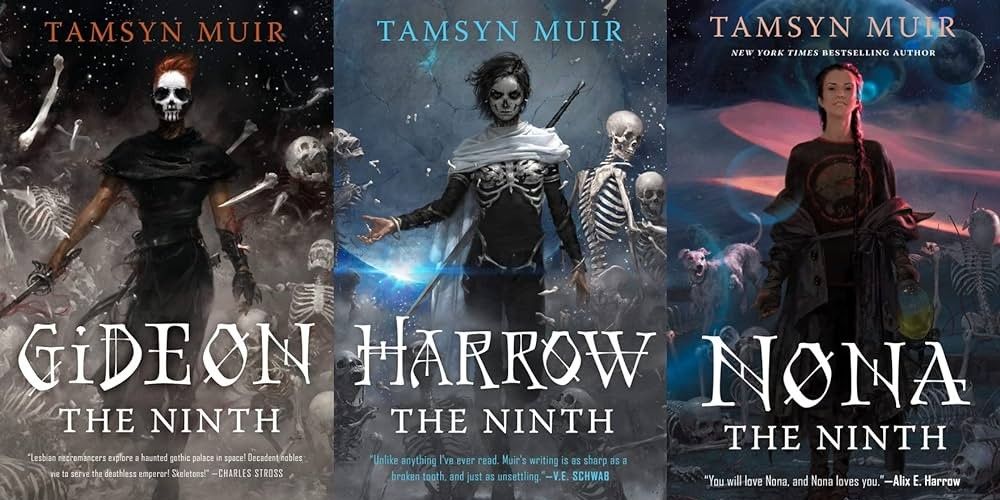
Read from 2025-03-09 to 2025-05-04
I really enjoyed this series, at least what’s out so far! I think it is quite deeply flawed—moreso than many fans, I think—but I also think that what it does well it does really well. So while I think the worldbuilding is fairly weak, I think its mysteries are very fun and its characters are easy to love.
It is very playful with perspective: Harrow the Ninth is a standout, with a protagonist explicitly undergoing psychosis. Gideon is also just such a fun character to follow in the first book: a locked-room mystery where the main character simply does not care? Fun concept, great execution. Nona is probably the weakest in this regard, for reasons I don’t quite want to spoil, but I still enjoyed my time with it.
A recommendation: The best way to read Harrow the Ninth in particular is to have friends that have already read the series, to whom you can share your reactions and theories. Your theories will be wrong, and they will enjoy hearing them! If you are a friend of mine who hasn’t read it yet, please read it and keep me posted.
Never Let Me Go by Kazuo Ishiguro
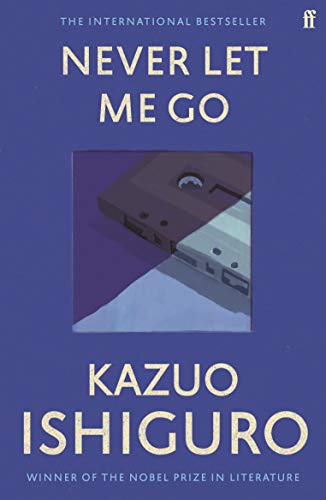
Read from 2025-04-11 to 2025-04-13
A beautiful book filled with empathy! It is structured almost like a memoir, with our narrator Kathy looking back at the events that have shaped her: we get the events of her life, but we also get her reflections: everything is layered, every character exists as themselves, as Kathy saw them then, and how Kathy sees them now, all at the same time. In this way the book—despite its science-fiction premise—reflects life and our relationships to others deftly.
This, too, is a rich text. On its surface it’s about cloning, but this is only an entry point into a much larger discourse: empathy, the structures that marginalise and alienate and dehumanise, finding community, the meaning of care… You can draw a lot from this book. I know people that have. This is the kind of book you want to talk to others about: I cherished discussing this book with my partner after we’d both read it, because we both drew such different things from it.
A/S/L by Jeanne Thornton
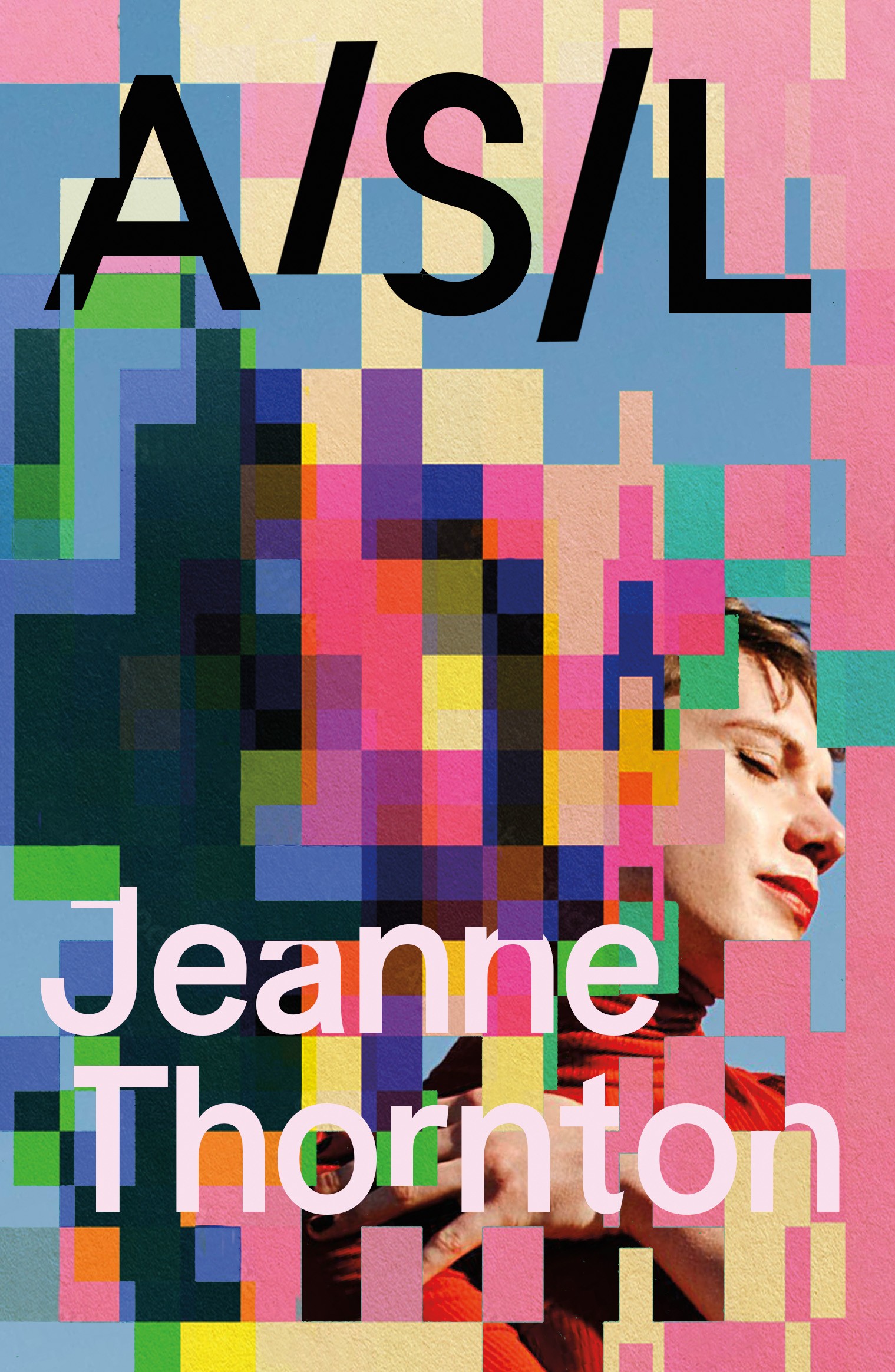
Read from 2025-06-23 to 2025-06-24
This was my favourite book of last year. It’s also now one of my favourite books ever. This book, and the ending in particular, rewired my brain chemistry; I still pick this book off my bookshelf just to reread the epilogues. I’ve been continuously badgering my friends whom I think would benefit from this book to please please read it ever since I finished it.
It’s about online friendships; it’s about your sense of self being shaped on the internet in communion with others, others who are just like you even if you can’t know that yet; it’s about queerness in so many ways. If any of that sounds like it might resonate with you I think it’s worth giving it a shot. I didn’t grow up on the internet depicted in this book: I grew up a little later, in its next iteration, but I think what this book digs into is true enough across time that this doesn’t change the degree to which it spoke to me.
This quote spoils some of the catharsis, and is only part of a long, messy, beautiful epilogue, but I’ll highlight it anyway:
I think what I’m angriest about is that I think you wanted to apologise for everything because you wanted to make it as if it never happened: wipe out our history like erasing a disk, reset to nothing, and we could start again, be only new and good people now. I hate that! I don’t think we get free by settling all our debts to one another. I’m not a debt to settle; neither are you. We get free by something else: by recognising that what we do to one another is forever. We are what we are to one another. I am what you did to me—you are what I did to you. Despite everything, I like who I am. I hope you do, too.
I could quote many other sections. I’m tempted to write a lot more, but it gets hard to untangle into coherence, so I think I’ll maybe write a separate piece about this book. At the same time that might be impossible to do without getting too personal for this public a space. We’ll see! Jeanne Thornton, thank you for one of the most beautiful books I’ve ever read.
Atmosphere: A Love Story by Taylor Jenkins Reid
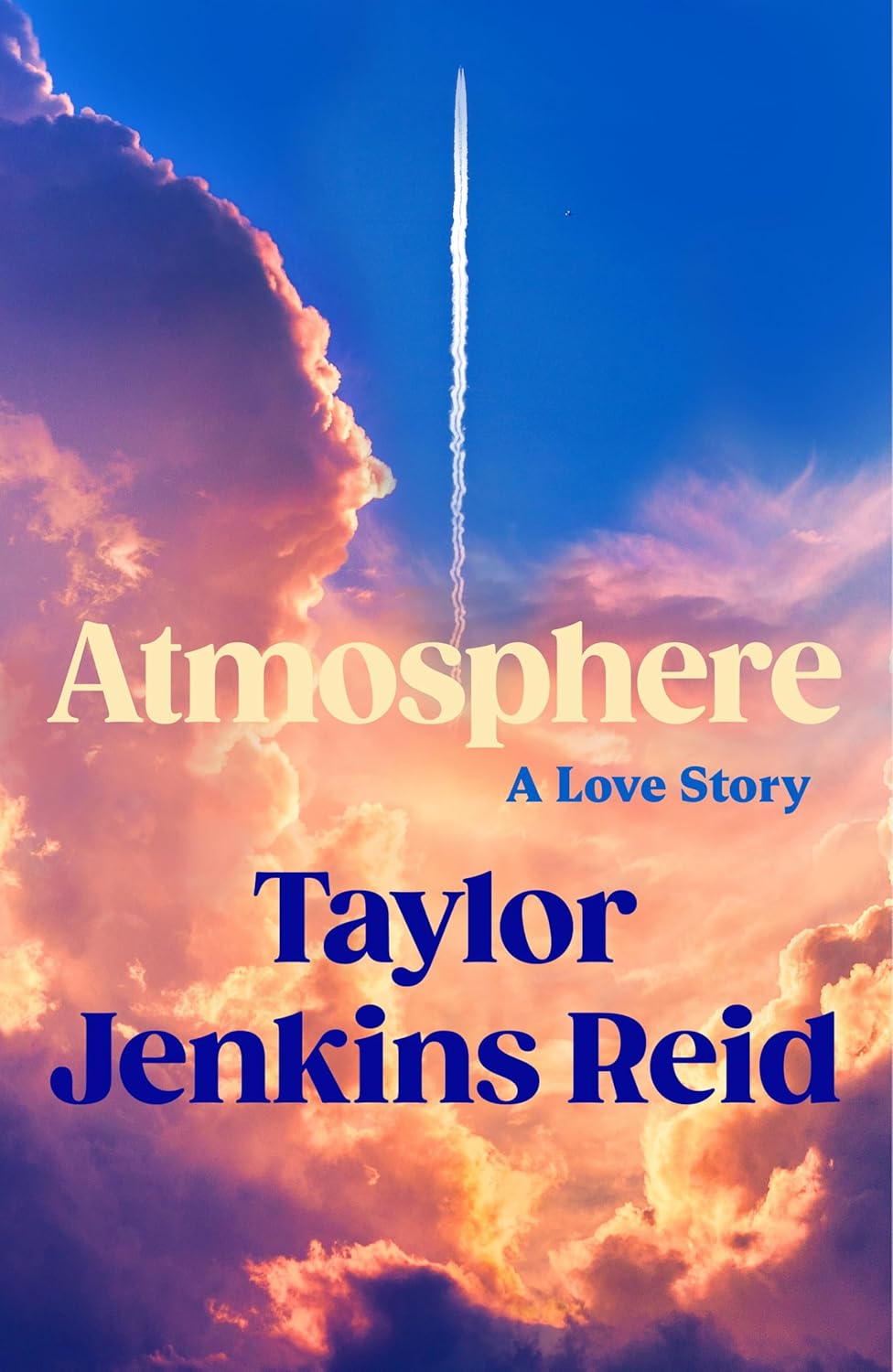
Read from 2025-10-27 to 2025-10-29
Maybe the sweetest book I read all year! It’s about astronauts, obviously, but if you pick it up for that part of the premise I think you will leave disappointed; it’s mostly about sapphic love. The way the romance develops in this book is pitch-perfect to make me laugh and sob and cheer. I had a bit of a reading slump when I picked this up (I was mostly working and watching movies), and it fully cured that.
One of the big things this book does so well is show love as seeing and being seen. The love in this story blossoms when Vanessa can confidently declare: I know exactly who you are. In a story where the protagonist has to hide who she is, even from herself, this is imbued with so much meaning! There is tragedy inherent to how they must conduct their lives, but there is also so much joy in it, and while homophobia obviously plays a big part in this novel, it isn’t lingered on: this book gets at how the joy of queer life so easily overwhelms all the negatives, at why it is obviously worth it for Joan and Vanessa to spend their lives together, even if almost no one understands them, and even if it means they can no longer pursue what they’ve dreamed of.
I wish this book was 100 pages longer. I don’t think it would be better for it, but it would make me happy all the same.
Foucault’s Pendulum by Umberto Eco
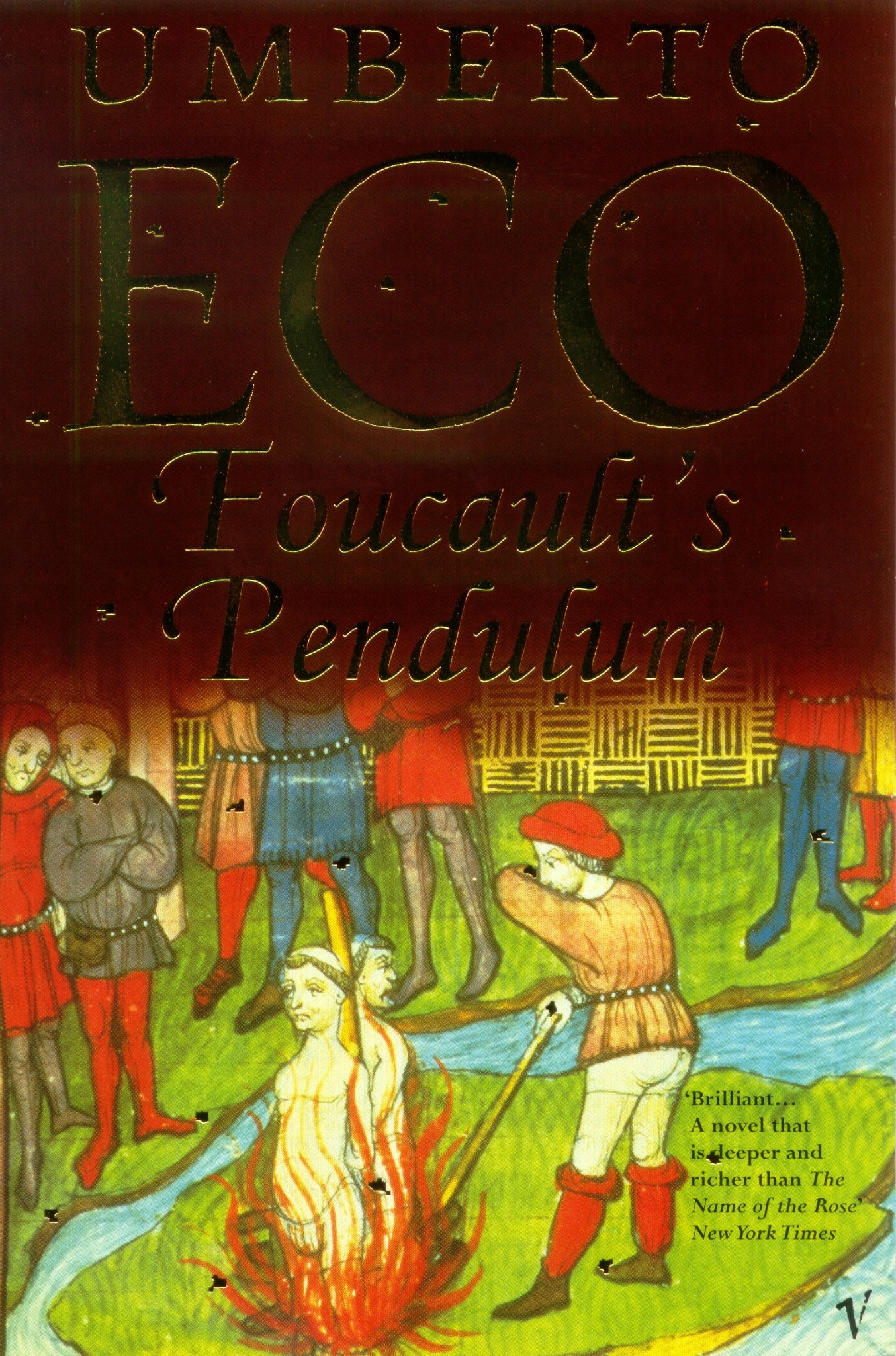
Read from 2025-11-09 to 2025-12-01
What is a conspiracy theory? This is easy to answer on a surface level, but digging into what drives a conspiracy theory—what makes it tick, what itch does it scratch, how does it pull you in?—is not so easy. Eco makes a compelling case in this novel. At times captivating and at times an absolute slog, this is Eco’s take on the semiotics and psychology of conspiratorial thinking; not only does this book want you to intellectually “get” conspiracy theories, it wants you to feel what it’s like to be drawn in by them, what it feels like as your mind gets warped into seeing connections everywhere, even as those connections get increasingly arbitrary.
The absolute highlights of this book are when it’s giving you sharp dialogue (“There are four kinds of people in this world: cretins, fools, morons, and lunatics”), and when it’s pulling on the conspiracy game that Eco is playing (templars! kabbalah! secret societies! assassins!). In those moments it’s truly great! When I could feel what it was doing by drawing me into the increasingly elaborate conspiracies, the pages flew by. Unfortunately, a huge chunk of the book is taken up by storylines that move towards that at a truly excruciating pace; Casaubon’s tenure in Brazil particularly stood out as boring. While this is a book with a lot of moving pieces—and I do believe they all serve a purpose—I also can’t help but feel it could have been significantly shorter and still gotten across what it wanted to say. That said, I’ve read some reviews that seem to severely misinterpret the book, thinking the story is that the characters discover a real conspiracy… so maybe it should have been longer and even more didactic. Who’s to say.
I didn’t really care very deeply about the characters here, and I don’t think Umberto Eco did either. They serve a purpose but they never quite felt like real people to me. It’s not really the draw of the book either, and I do think that the book manages to tie together its disparate points towards the final pages, ending on a beautiful note about appreciating the world for what it is, not what we make of it:
So I might as well stay here, wait, and look at the hill.
It’s so beautiful.
The Feminist Killjoy Handbook by Sara Ahmed
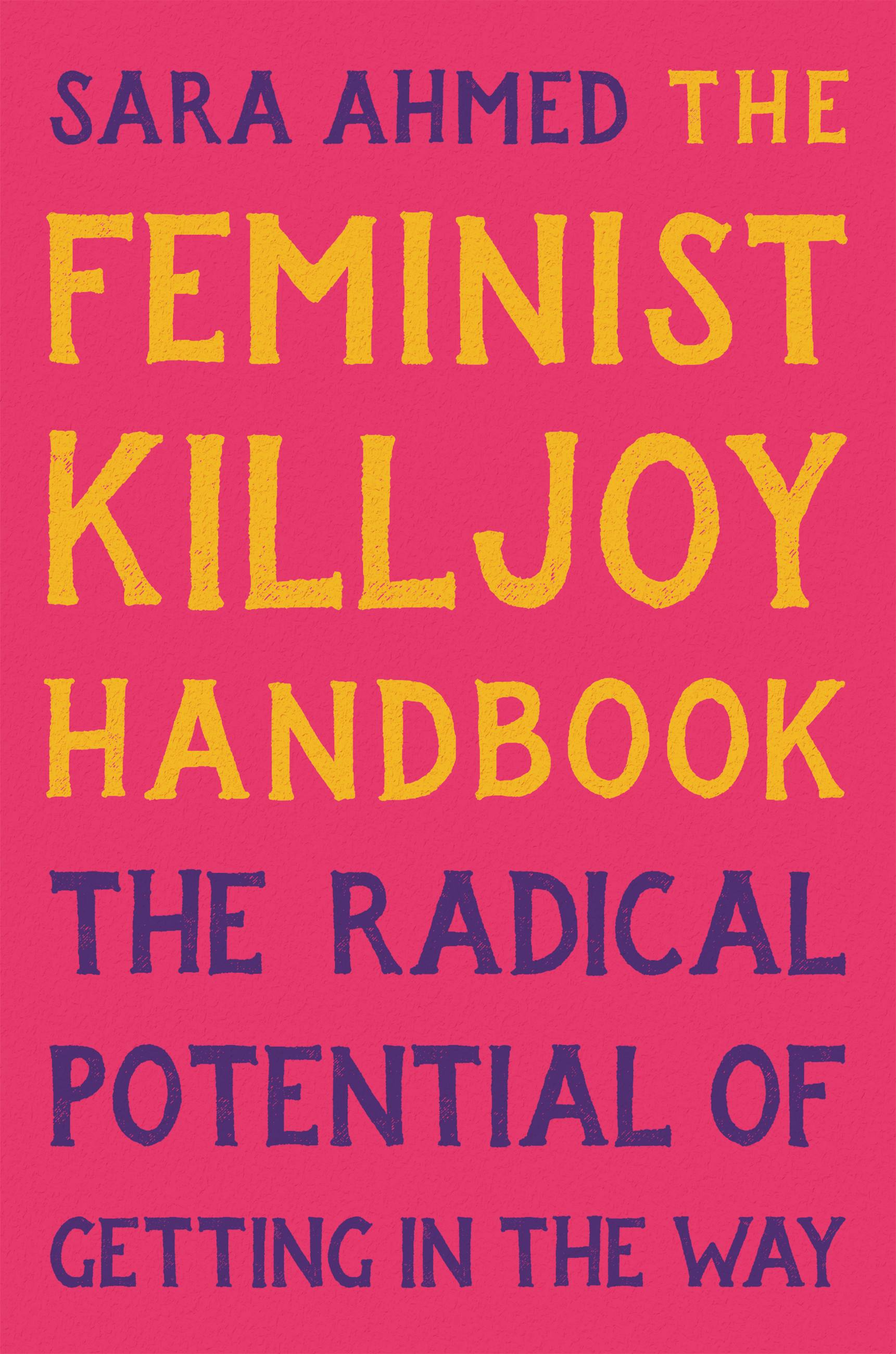
Read from 2025-12-17 to 2025-12-22
My partner told me to read this book for months, and I’m glad I finally did. This book is what forced me to make this website: that is not an exaggeration!
Rarely does a non-fiction book move me as well as make me think deeply, but this one absolutely did. I finished it on a bumpy plane-ride, and rather than jumping to the next source of distraction, I had too many ideas bumping against one another in my head that I spent the rest of my time composing a very rambling note on my phone. (I think I will clean that up into a separate essay.)
It’s about embracing your inner feminist killjoy, rather than pushing it down: to acknowledge the part of you that speaks up, that wants to make itself heard, that doesn’t want to stand down. It’s too easy to let that part of yourself die—the part that bristles at injustice, the part that wants the world to be better. It’s too easy to stay quiet because you have been told to be quiet. It is too easy to listen to the voice that tells you if you speak up you are only making things harder for yourself. But the feminist killjoy is a poet because despite it all she needs to write.
Becoming more of a feminist killjoy can be about lessening our sense of guilt or blame.
I think I highlighted half the book on my Kobo. There’s a lot more to say on this, but I think I’ll save it for a separate piece.
Honourable mentions
I read 57 books, but I’ve only highlighted 11 here (counting the entire Locked Tomb series). Here are some honourable mentions that I enjoyed but didn’t have as much to say about right now:
- The Invisible Life of Addie LaRue by V. E. Schwab: The scene in which Addie plants a sapling on Estelle’s grave is still with me.
- Nevada by Imogen Binnie, Stag Dance by Torrey Peters, Woodworking by Emily St. James, Whipping Girl by Julia Serano, Spiro by Molly Øxnevad, and Fair Play by Tove Jansson: For showing more ways to exist authentically!
- The God is Not Willing by Steven Erikson: Still my favourite fantasy universe, and a joy to step back into (even when it’s bleak).
- Daisy Jones & The Six by Taylor Jenkins Reid: Easily the best audiobook I listened to this year.
Reading in 2026
I’m already happy with the volume I read, and I don’t really believe in quantitative “reading goals” as such anyhow—I always set one on a book tracking site and then simply forget about it—but I did have some fuzzy ones for this year:
- Read more broadly
- Read more queer authors
- Read more classics
I think I accomplished these! I definitely read a bigger variety of books this year than previous ones (and less fantasy doorstoppers as a result, although I still love those). By my accounting I read 24 books by queer authors this year, and 7 classics (although this is of course an extremely fuzzy label!). This was pretty fulfilling, and I’m going into 2026 with roughly the same goals, although this year I also want to focus on reading more BIPOC authors as well as authors from outside the West more generally. I also want to read more horror and memoirs, as these genres are largely unexplored for me. More generally, I want to write more about what I read: I write some reviews already, but they are mostly for myself and shared in closed spaces; let’s change that.
We’ll see how all that goes in 2026, and I look forward to writing a follow-up to this post in 2027!